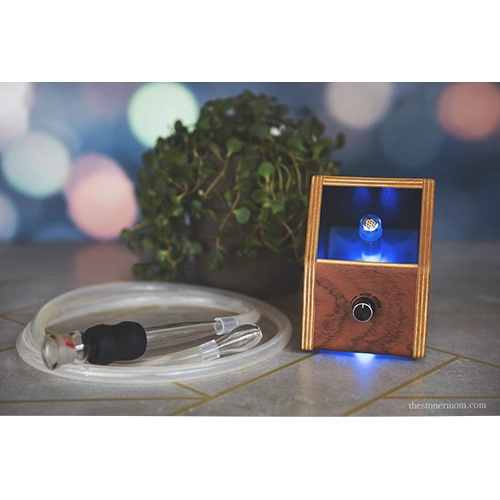
The Complete Guide to Choosing the Right Vaporizer for Dry Herbs
Choosing the right vaporizer comes down to understanding how each type works and what it is actually designed to do. You may have seen vape pens, portable herb vaporizers, or desktop vaporizers that you plug in at home. By the end of this article you will know exactly how each type works, what the tradeoffs are, and which one is right for you.
How Does a Vaporizer Work?
There are two ways to heat herbs: combustion and vaporization. Combustion burns the material directly, producing smoke and byproducts. Vaporization uses gentler heat methods, either conduction, which heats material by direct contact with a hot surface, or convection, which passes hot air through the material (the method used by Vaporbrothers), to release active compounds as a clean vapor mist without burning anything.
An herbal vaporizer is a device that applies this gentle heat to dry herbs or their extracts, delivering a fine vapor mist you inhale while leaving the spent herbs behind. Vaporizers can be classified based on their form factor and how they heat the material. Some are designed for waxy or oily extracts only. When designed for dry herbs, they extract the oils and moisture content and deliver a fine mist to the user. This article covers all three heating methods — conduction, convection, and radiation — along with form factors and a side-by-side comparison to help you choose.
Heating Methods: Conduction vs Convection vs Radiation
The most basic classification of vaporizers is how they heat the material. The methods below all refer to vaporization. Combustion is not a vaporization method. It is what vaporizers are designed to avoid.
Conduction
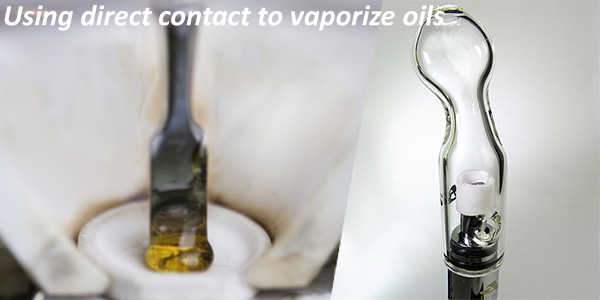
Material sits in direct contact with a hot surface, usually a heated metal or ceramic bowl.
Best for: Oils and wax concentrates. A dab pen works by conduction.
Not ideal for: Dry herbs. The edges overheat and burn while the center stays cool, resulting in wasted material and a harsh taste.
|
Convection
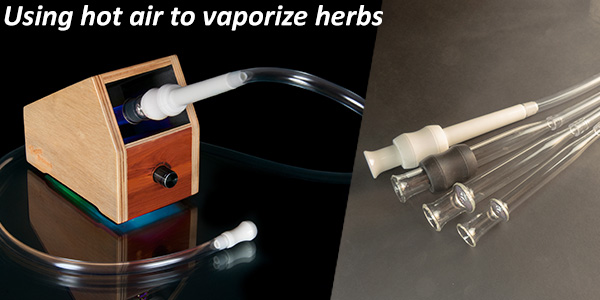
Warm air is drawn through the material, evaporating oils and moisture content evenly.
Best for: Dry herbs. Heated air extracts the full flavor and potency without burning the plant material. Hits taste like fresh herbs.
Not ideal for: Wax concentrates, which do not allow air to pass through easily. The VB1.5 addresses this with an optional concentrate whip tip that holds a concentrate disc, so hot air can pass over the concentrate.
|
Radiation
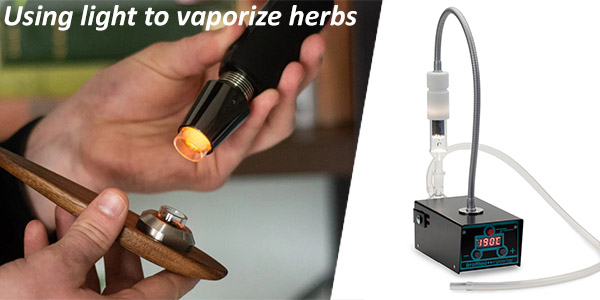
Uses light energy to heat material. A unique and rare method.
Best for: Niche applications. Examples include the Aromed vaporizer and certain portable devices from PRRL Labs, which combine convection and radiation.
Not ideal for: Most users. Radiation vaporizers are extremely rare and largely absent from the current market.
|
Portable Vaporizers vs Desktop Vaporizers
Portable Vaporizers
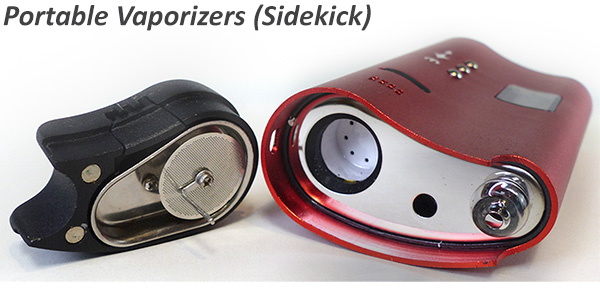
Battery-operated and hand-held. Most use conduction heating for oils. Some use a flame.
- Pro: Convenient for use outside the home. No cord needed during use.
- Con: Limited battery life, often only a few sessions before recharging.
- Con: Battery and space constraints force design compromises, sacrificing vapor quality for portability.
- Con: Portables designed for dry herbs using convection tend to run out of battery quickly and struggle to produce consistent vapor.
- Con: Most portables wear out within a year of regular use.
|
Desktop Vaporizers
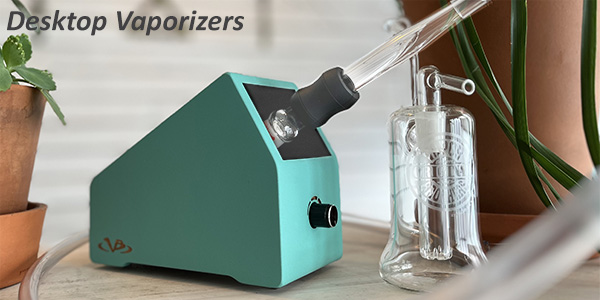
Plug-in units that sit on a flat surface. Use convection heating for the best dry herb experience.
- Pro: No battery constraints. Always ready and consistent.
- Pro: Larger, more refined heating elements produce stronger, fresher-tasting vapor.
- Pro: Built to last. Well-maintained desktop vaporizers work year in and year out.
- Pro: Higher-priced portables do not outperform a well-designed desktop.
- Con: Requires a power outlet. Not suitable for use on the go.
- Con: More parts to keep clean, though this is offset by the superior vapor experience.
|
A Deeper Look: Conduction vs Convection
Conduction
Conduction vaporization applies material directly onto a heated surface such as a ceramic bowl or metal coil. It works well for oily substances that vaporize efficiently on heated surfaces. However it is not suited for dry herbs. The edges of the herb overheat and may combust while the center remains unvaporized, resulting in wasted material, a burnt taste, and a harsher experience.
An important note: certain metals outgas toxic materials at high temperatures. Before buying any vaporizer, know what materials are inside the heating element and vapor path.
Convection
Convection vaporization pulls heated air through the material, evaporating oils and moisture gradually and evenly. Think of a convection oven or air fryer. Both use heated air to produce their effect. For dry herbs, convection delivers cleaner, better-tasting vapor with less waste than conduction.
Convection is not ideal for wax concentrates, which do not allow air to pass through easily. However the VB1.5 ball heater option offers a practical solution for concentrate users who want the benefits of a desktop vaporizer.
Why the Vaporbrothers VB1 Is the Best Convection Vaporizer for Dry Herbs
The Vaporbrothers VB1 is the original desktop dry herb vaporizer, established in 1999 and refined over more than 25 years. Here is what sets it apart:
- 100% convection heating — herbs are never in contact with a hot surface
- Natural Mineral ceramic heater — dense, non-porous, non-reactive, custom-designed for vaporizing
- All vapor path materials are glass, ceramic, and silicone — no plastic contact at any point
- RoHS-compliant electronics — lead-free, selected for inhalation safety
- 16mm heating element with whip for maximum surface area and efficient extraction
- Narrow whip options available for even more efficient use of material
- Warms up in about 5 minutes
- Built in Los Angeles, CA — designed to last decades, not months
- Limited Lifetime Warranty
Which Vaporizer Is Right for You?
We would love to hear your thoughts. Direct any questions or comments to us here.